
The Official Joy Berry Website

How to Raise Responsible, Confident Children
by Joy Berry
on April 13, 2026
How Negative Parenting Beliefs Can Hold Kids Back, And How to Raise Responsible, Confident Children
Most parents genuinely want what is best for their children.
However, even with the best intentions, certain misguided parenting beliefs can unintentionally limit a child’s ability to grow, develop independence, and succeed in life.
These beliefs, often rooted in love, protection, or misunderstanding, can shape how children think, behave, and respond to challenges.
Understanding and replacing these beliefs is one of the most important steps in raising responsible, confident, and capable children.
What Are Misguided Parenting Beliefs?
Misguided parenting beliefs are assumptions that can interfere with a child’s ability to develop important life skills and personal responsibility.
These beliefs may seem protective or helpful on the surface, but over time they can prevent children from learning how to navigate real life.
Some of the most common examples include:
1. Children Should Be Shielded From Life’s Difficult Realities
Many parents believe childhood should be completely free from stress, discomfort, or difficult topics.
While protecting children from harm is important, avoiding all real-life challenges can leave children unprepared to handle situations they will inevitably face.
2. Children Are Too Dependent to Be Responsible
Because children rely on adults for basic needs like food, shelter, and safety, it is sometimes assumed they are not capable of responsibility.
However, children are far more capable than they are often given credit for, especially when they are taught and encouraged.
3. Children Do Not Need to Learn Life Skills Yet
When children are not expected to manage aspects of their own lives, they may miss critical opportunities to develop:
- decision-making skills
- problem-solving abilities
- emotional regulation
- accountability
Without these skills, children can struggle later in life when independence becomes necessary.
The Impact of Limiting Parenting Beliefs on Children
When children are raised under these types of beliefs, several challenges can develop over time.
1. Lack of Real-World Readiness
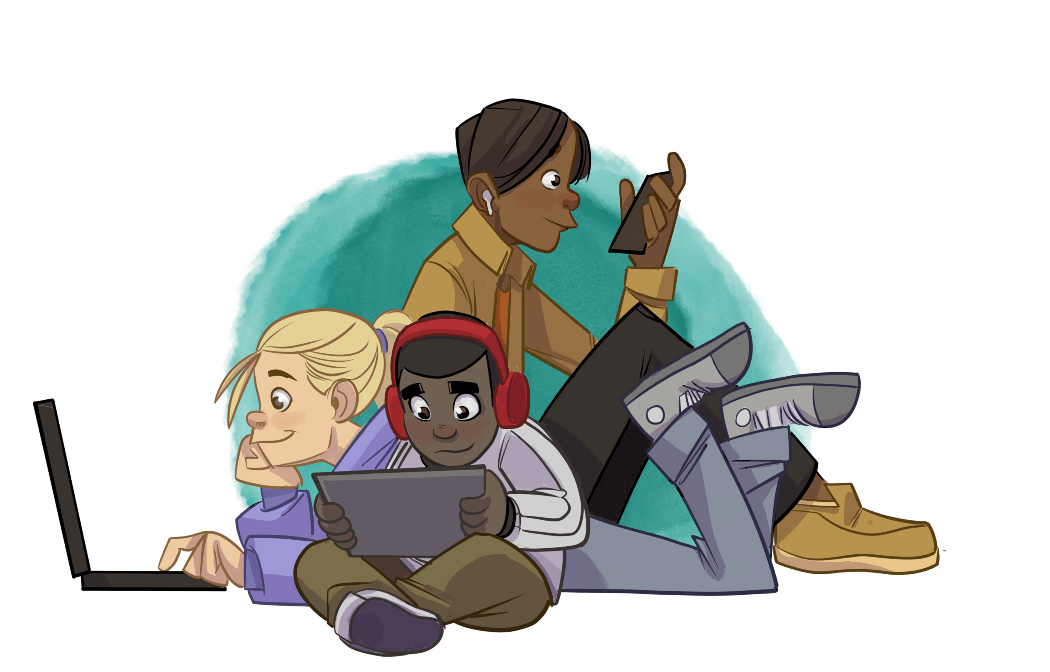
Children may become accustomed to entertainment and distraction rather than learning how to face and manage real-life situations.
2. Dependency Instead of Independence
Children who are not given opportunities to take responsibility may feel:
- out of control
- frustrated
- overly dependent
At the same time, parents may feel overwhelmed and overburdened, leading to strained relationships.
3. Difficulty Handling Life’s Challenges
Without practice handling problems, children may:
- avoid challenges
- exaggerate problems
- struggle with decision-making
- feel unprepared for real-world situations
Over time, this can affect their ability to become healthy, confident, and productive adults.
How to Replace Limiting Beliefs With Empowering Parenting Approaches
The solution is not to remove challenges from a child’s life, but to teach children how to handle them.
Here are key mindset shifts that can make a powerful difference:
1. Teach Children How to Handle Difficult Situations
Life’s challenges, when handled appropriately, can become powerful learning experiences.
Instead of shielding children completely, help them:
- understand what is happening
- think through possible responses
- practice handling situations responsibly
2. Recognize That Children Are Capable
All children have the potential to function independently and responsibly, when given the opportunity and guidance.
Encouraging responsibility builds:
- confidence
- competence
- self-reliance
3. Provide the Skills Children Need to Succeed
Children cannot develop essential life skills without being taught.
Just like academic subjects, life skills require clear instruction, practice, and reinforcement.
Why Teaching Responsibility Early Matters
Many of the world’s challenges stem from individuals who lack responsibility, accountability, and sound decision-making skills.
One of the most effective ways to create positive change is to raise children who are:
- responsible for themselves
- responsible in their relationships
- responsible in how they interact with their environment
Do Children Naturally Learn Responsibility?
The reality is, they do not.
Children are not automatically equipped to:
- take responsibility
- manage behavior
- make thoughtful decisions
- balance short-term desires with long-term outcomes
In fact, children often:
- blame others when things go wrong
- seek immediate gratification
- avoid accountability
That is why intentional teaching and guidance are essential.
Why Parents Often Feel Frustrated
Many parents feel:
- overwhelmed
- frustrated
- unsure how to handle behavior
- guilty when things do not go as planned
This is not a failure, it simply means the right tools and strategies may not yet be in place.
Raising responsible children requires specific knowledge and practical approaches, not just good intentions.
What Are Living Skills, And Why They Matter?
Living Skills are the essential skills every person needs to:
- manage their life effectively
- make responsible decisions
- interact positively with others
- handle challenges and setbacks
Unlike physical skills, like walking or grasping, Living Skills:
- are not automatic
- are not instinctive
- must be taught clearly and intentionally
Final Thoughts, Raising Capable, Responsible Children
Children are not meant to simply be protected from life.
They are meant to be prepared for it.
When children are given:
- the right information
- the right guidance
- the right opportunities
they are far more capable than we often expect.
Leave a reply